







Search Results for: fine particle accumulation
Complete Guide to Cleaning and Maintaining Manual and Electric Coffee Grinders: Brush Cleaning and Deep Maintenance Essentials
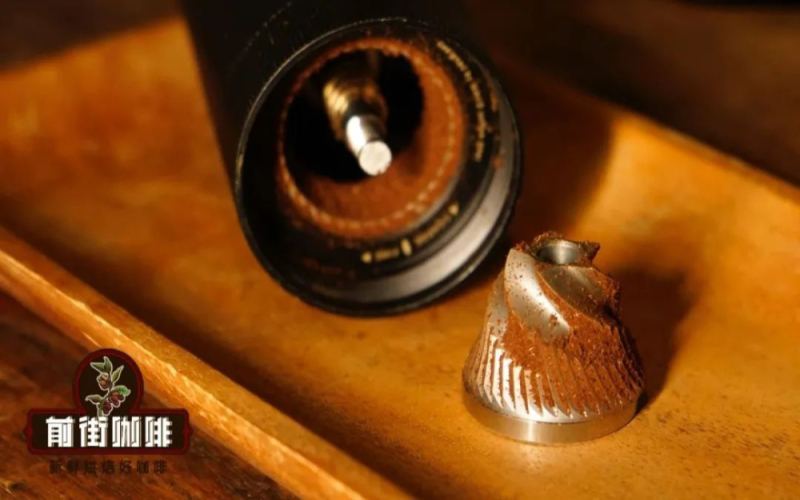
Coffee grinding equipment is mainly divided into two categories: manual and electric. Different brands and price points not only affect appearance and grinding performance, but also determine differences in burr structure and particle size distribution. Regardless of which grinder you use, daily cleaning and regular maintenance of the burrs are key to extending the life of the equipment. The static electricity generated during grinding causes fine particles to stick to the metal burrs and the grounds bin. The more frequently it is used, the more residual grounds accumulate, and the oil released by dark-roasted beans worsens the buildup of oily residue. If not cleaned for a long time, old grounds not only produce a rancid oil smell, but also taint new grounds and clog the grinding path. This article will introduce grinder maintenance methods and precautions in detail across three levels: daily quick cleaning, cleaning without disassembly, and regular deep cleaning. [more…]
Pour-over coffee draining slowly or taking too long to extract—what to do? Find out the causes of water pooling and practical adjustments.
In pour-over coffee, extraction time is often the most difficult variable to control. Many coffee enthusiasts, when brewing at home, have encountered the situation where hot water is slow to drain through and the time gets dragged out. To avoid over-extraction, some people remove the dripper early, but is this really effective? Starting from the brewing framework commonly used at Front Street, this article sorts out several main reasons for slow flow and water retention, including too many fines, improper pouring technique, and the characteristics of light-roasted beans, and offers corresponding solutions to help you improve your brewing performance without changing equipment. [more…]

Can a Coffee Grinder Be Washed with Water? A Detailed Guide to Daily Maintenance for Manual and Electric Grinders
Last week, Front Street Coffee shared nine details about brewing coffee, among which it mentioned that the grinder needs to be cleaned regularly. So a reader followed up with the question: Can a grinder actually be washed with water? To answer this question, we first need to understand the necessity of cleaning the grinder. The common grinding equipment on the market falls into two categories: manual and electric. Regardless of which type, the daily upkeep and regular maintenance of the burrs directly affect the service life. Accumulated coffee grounds not only cause flavor cross-contamination, but may also clog the passage. This article will detail the cleaning methods for manual and electric coffee grinders across three levels: daily quick cleaning, cleaning without disassembly, and regular deep cleaning, and will also remind you of the applicable conditions and precautions for washing with water. [more…]
The art of leveling the coffee bed in pour-over brewing: How the Brazil nut effect causes uneven blooming and over-extraction
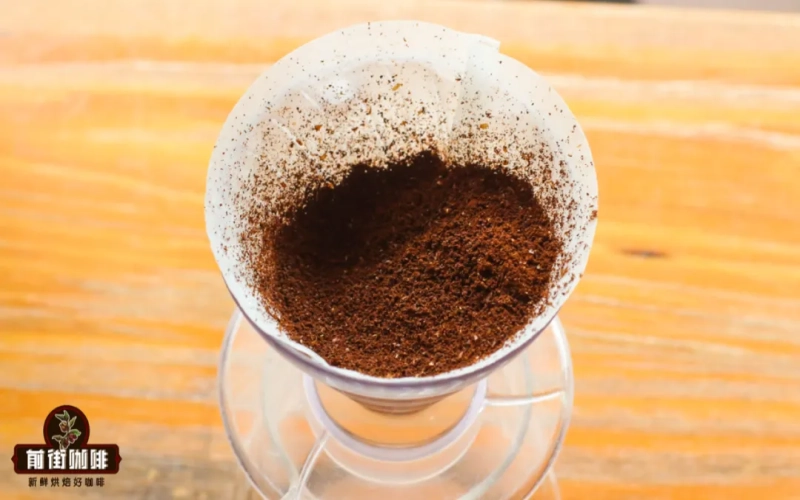
Many coffee enthusiasts are in the habit of tapping the dripper during pour-over to level the coffee bed, believing this promotes more even extraction. But you may not know that frequent or forceful tapping can actually trigger the "Brazil nut effect," causing fine particles to sink to the bottom and coarse particles to float up, leading to two negative outcomes: first, during blooming, hot water struggles to evenly saturate all the coffee grounds, and the fine particles at the bottom stay dry, resulting in under-extraction; second, the fine particles clog the pores of the filter paper, prolonging the extraction time and causing over-extraction. Through repeated testing, Front Street Coffee has found that when using a conical dripper and denser coffee grounds, digging into the bed after multiple taps often reveals dry clumps at the bottom. So how should an uneven coffee bed be handled? And what should you watch out for when tapping? This article will break it down for you in detail. [more…]
Analysis of the Causes of Slow Drawdown in the Final Phase of Pour-Over Brewing and Practical Solutions
The total brew time of a pour-over is shaped by multiple factors at once—grind size, how the particles take on water, the pouring technique, and the design of the dripper—making it very hard to control precisely. Many people new to pour-over habitually use time as the standard for judging whether the flow rate is normal. Once the flow at the tail end of the brew refuses to come down, the extraction time gets dragged out and the coffee easily picks up bitter, off-flavors. This article focuses on the common frustration of standing water at the tail end of a pour-over, analyzing the causes one by one—from the quality of the coffee grind, the roast level of the beans, the pouring technique, and puck management—and offers the corresponding solutions summarized by Front Street to help you find the real reason behind the slow drainage and adjust accordingly. [more…]
How Do You Get the Grind Size Right for Pour Over? A Complete Guide from Particle Size to Extraction Flavor
Grind size is a core variable in pour-over coffee that cannot be avoided, as it simultaneously affects the contact area between water and coffee grounds and the extraction rhythm, thereby determining the flavor direction in the cup. This article starts with coffee bean freshness and resting, explains the difference in extraction yield between fine and coarse grounds, and describes the corresponding taste performance when the grind is too fine or too coarse. It also introduces the method of calibrating grind with a 0.85mm cupping sieve, as well as Front Street Coffee's comparison table of applicable equipment organized by five levels—extra fine, fine, medium-fine, medium, and coarse—to help you find the appropriate grind range across different roast levels and brewing tools. [more…]
How to Precisely Control Espresso Grind Size? A Complete Analysis of Particle Size Range and Adjustment Methods
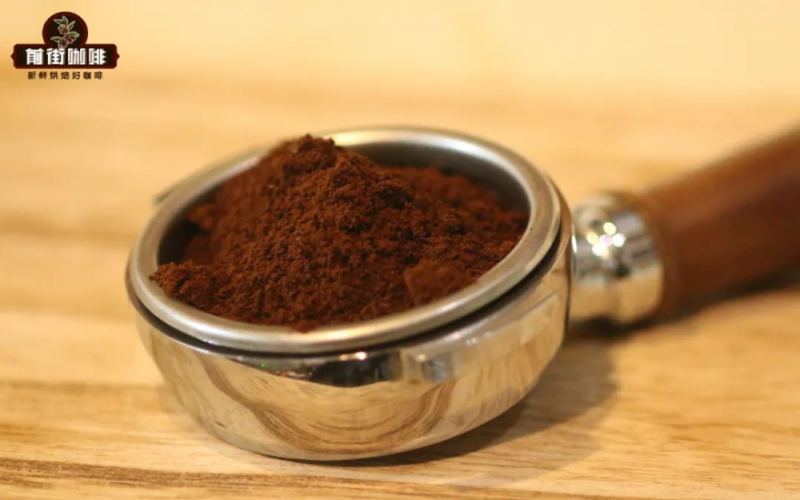
Grind size selection is a key factor determining coffee extraction quality. Because espresso uses high-temperature, high-pressure, short-time extraction, its requirements for particle fineness and uniformity are far higher than those of other brewing methods. This article will sort out the extraction principles of espresso from the beginning, explain why the grind particle size needs to be controlled within the 150–300 micron range, and detail how to calibrate the grind setting through flow-rate observation and taste judgment. It also provides specific daily grind adjustment steps, including debugging methods, coffee-to-liquid ratio references, and adjustment strategies for common problems such as bitter burnt notes, thin crema, and a short finish, helping coffee enthusiasts and professionals quickly find suitable grind parameters. [more…]
How Fine Should You Grind for Pour-Over Coffee? A Comprehensive Analysis of Flavor Differences from Particle Size to Sieve Pass-Through Rate
Grind size is one of the most critical variables in pour-over coffee—it determines the contact area between water and coffee grounds, and also influences extraction time and the final flavor. This article will systematically sort out the logical relationship between grind size and extraction yield, tell you what kind of taste will appear in the cup when the grind is too fine or too coarse, and also introduce how to use a 0.85mm sieve to calibrate the passing rate, and give specific grinding recommendations for beans with different roast levels. If you do not want to buy an extra sieve, the article also categorizes five levels—extra fine, fine, medium-fine, medium, and coarse—so you can quickly find the right setting by comparing it with your own brewing device. [more…]
A Complete Analysis of Coffee Grind Size and Extraction: A Practical Guide from Resting to Sieve Correction
The coarseness of coffee grounds directly determines the contact area between water and coffee and the extraction time, which in turn affects the final taste. But grind size is also the most headache-inducing step for many enthusiasts. Starting from Front Street's practical experience, this article systematically explains how to determine the resting time based on the roast date, the actual impact of grind coarseness on flavor, and how to calibrate the grind size for different brewing methods using a No. 20 sieve. The article also compiles the suitable equipment for five particle sizes, from extra-fine to coarse, helping you roughly judge the grinding direction even without a professional sieve and find the grinding parameters that suit your own taste. [more…]
Where Do Cold Brew Coffee Oil and Fine Particle Residue Come From? An Analysis of the Correct Use and Cleaning Methods of Filters
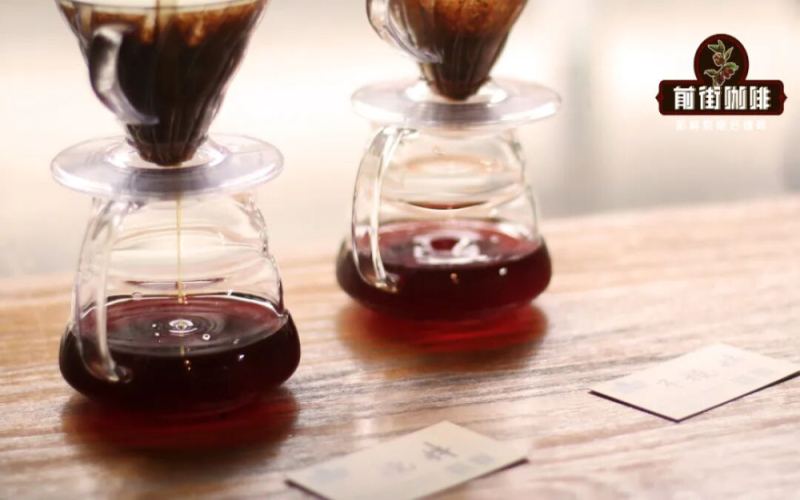
When making cold brew coffee at home, an oily sheen often floats on the surface, and fine sediment may appear at the bottom of the cup, leaving many coffee enthusiasts puzzled. What exactly are these floating substances? Is the coffee spoiled, or is the equipment unclean? In fact, this is closely related to the slow release of water-soluble fats from coffee beans at low temperatures. This article, drawing on Front Street Coffee's practical experience, analyzes the causes of cold brew oils, explains how the differences in mesh sizes of various filtering devices affect coffee flavor, and shares how to use secondary filtration with paper filters and refrigeration settling to make cold brew's juicy feel fuller and its acidity clearer. At the same time, regular deep cleaning of equipment is equally crucial to avoid the accumulation of condensed oil residue that produces a rancid odor. [more…]
Pour-over coffee brewing method | What is the "Brazil nut effect" and how to avoid affecting coffee extraction when leveling the coffee bed
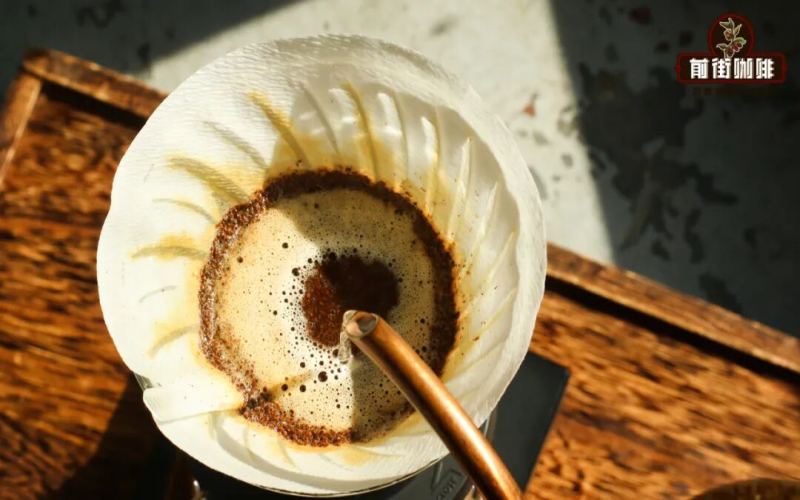
A surprise question from Front Street Coffee: when you pour coffee grounds into the dripper and end up with the scene shown below, what would you choose to do? A: Pat it flat. B: Pat it flat. C: Choose one or two. I believe most friends, just like Front Street Coffee, would choose to tap the dripper to make this unevenly distributed coffee bed become more level. [more…]
How Coffee Grind Size Affects Flavor in Pour-Over | Coffee Grounds Shelf Life and Grind Adjustment Methods
The grind size of coffee directly determines the contact area between water and coffee grounds as well as the extraction rate, thereby profoundly influencing the flavor profile of the final cup. However, when faced with different brewing devices and roast levels, how to find the right grind size has become a challenge for many coffee enthusiasts. This article draws on the practical experience of Front Street Coffee, first emphasizing the importance of fresh roasting and bean resting, then carefully analyzing the bidirectional impact of grind size on flavor—too fine leads to bitterness, while too coarse results in a weak and bland cup—and provides specific passing rate references for calibration using a No. 20 sieve (0.85mm). It also offers recommendations for matching brewing devices and coffee beans across five levels: extra fine, fine, medium-fine, medium, and coarse, helping readers find their own perfect cup of coffee. [more…]
How Does Coffee Bean Grind Size Determine Extraction? A Complete Guide from Resting to Sieve Correction
The grind size of coffee directly determines the contact area between water and coffee grounds as well as the extraction time, which in turn affects the final taste. But when faced with different roast levels and different brewing devices, how do you determine the right grind size? This article starts with the freshness of coffee beans and resting, systematically explains the actual impact of grind size on flavor, analyzes the respective signs of over-grinding and under-grinding, and introduces the cup-testing correction sieve method recommended by Front Street Coffee. Finally, it gives specific coarseness references for common devices such as espresso, drip bags, pour-over, and French press, helping coffee enthusiasts find a grinding plan that suits them. [more…]
A Detailed Guide to Espresso Coffee Dose and Brew Ratio: How to Pull the Ideal Espresso with 20g of Coffee
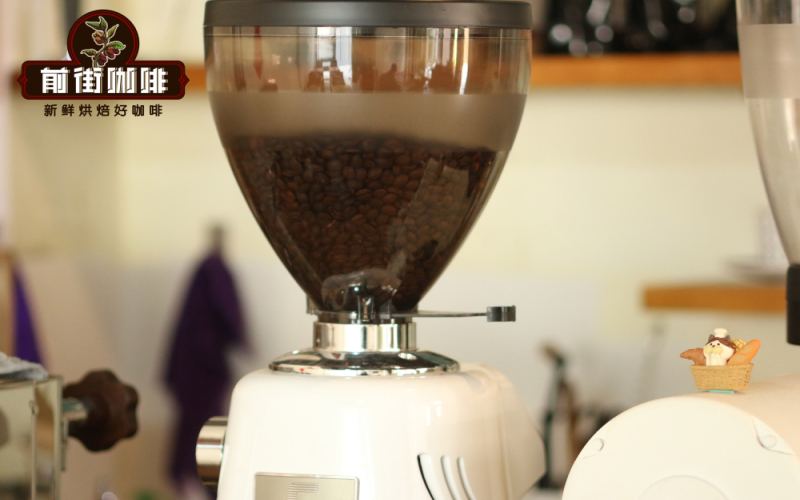
To craft a qualified espresso, the dosage of coffee grounds and the grind size are the key determinants of success. Unlike pour-over or cold brew, espresso uses pressurized short-time extraction, where any slight deviation is magnified. This article centers on the core question of how much coffee liquid to extract from 20g of grounds, providing a detailed explanation of determining the grind size range, choosing the coffee-to-liquid ratio, judging flow rate and flavor, and the proper way to taste espresso. It also recommends Front Street Coffee's classic espresso blend to help enthusiasts recreate a café-level espresso experience at home. [more…]
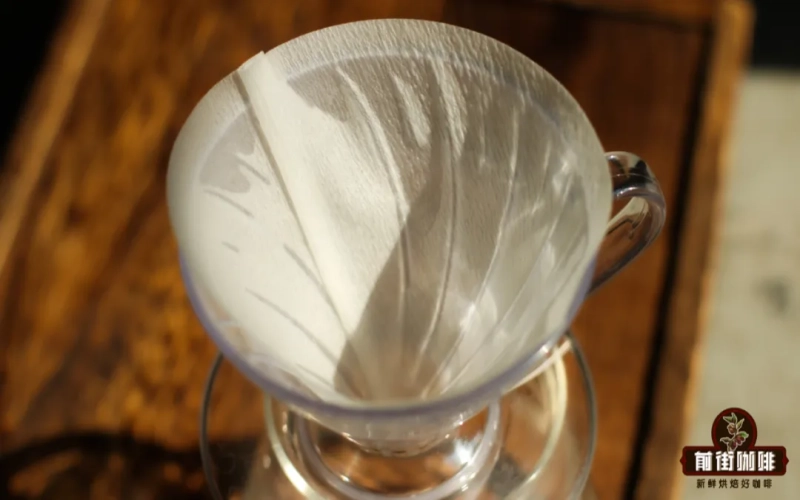
Why does tapping the coffee grounds in a pour-over dripper cause clogging? A complete analysis of fines migration and over-extraction risk
Many coffee enthusiasts have experienced this impulse while brewing: the moment they see an uneven coffee bed, they want to tap the dripper to level out the grounds. Yet this seemingly reasonable action can trigger a chain of negative reactions—fines sinking, the filter paper clogging, extraction time stretching out, and ultimately a bitter, over-extracted cup. Through comparative experiments, Front Street Coffee found that a tapped coffee bed took 21 seconds longer to complete extraction than an untapped one, with a noticeably bitter taste. The key principle behind this is the Brazil nut effect: vibration causes large particles to rise and fines to sink, clogging the pores of the filter paper. This article will analyze the causes of this phenomenon in detail and offer the correct methods for distributing the grounds and remedying the situation. [more…]
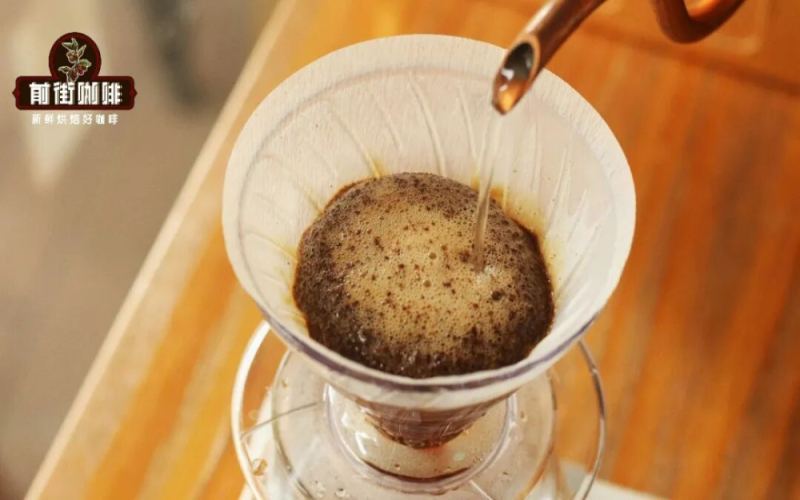
Reasons and Solutions for Water Separation from Coffee Grounds in Pour-Over Coffee: A Comprehensive Analysis from Bean Density, Grind Fines, and Freshness to Pouring Technique
After the bloom, an ideal pour-over should show the water flow churning the coffee grounds, a golden foam layer on top, and an orderly wall of grounds forming along the edge of the dripper. Yet many coffee enthusiasts notice that in the middle and later stages of brewing, all the coffee grounds sink to the bottom while the hot water floats on top, and once dripping finishes, only a flat bed of grounds remains—this is what is often called "ground-water separation." This article focuses on this phenomenon, analyzing one by one the four causes: high-density light-roast beans, over-fine grinding with too many ultra-fine particles, stale coffee beans, and improper pouring technique. Drawing on several high-altitude beans from the Front Street Coffee brand, it offers specific ways to diagnose the problem and ideas for adjustment, helping coffee enthusiasts understand the root of an imbalanced extraction rhythm and find actionable solutions for improvement. [more…]
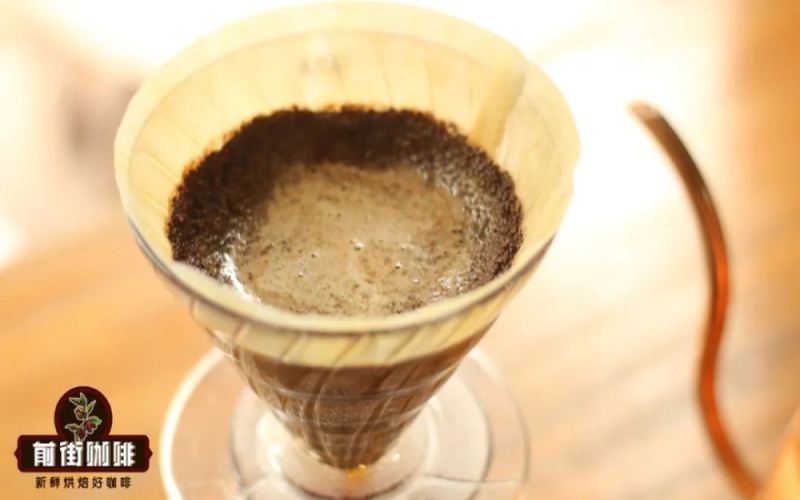
Why Does the Liquid in a Pour-Over Coffee Dripper Become Transparent? Troubleshooting and Solutions for Fine Particle Clogging and Bean Freshness
During a pour-over, if the liquid in the dripper suddenly turns clear and transparent, with no fine particles or foam suspended in it, this is usually not a good sign. This phenomenon often means something has gone wrong with the structure of the coffee bed—either fine particles have clogged the filter paper pores, or the coffee beans have been stored too long and their carbon dioxide has dissipated. Clogging prolongs the extraction time and in all likelihood ends with a bitter, over-extracted cup. This article analyzes the causes of the liquid turning transparent one by one from four angles—grind size, pouring flow, dripper design, and bean freshness—and offers adjustment plans verified by Front Street Coffee in actual brewing, to help you avoid the clogging trap when brewing light-roast beans and achieve consistent flavor. [more…]
How do you adjust the grind size for espresso? A complete approach from finding the range to setting the scale
Espresso grinding is much finer than pour-over, and the adjustment window is extremely narrow—often just a fraction of a notch makes the difference, and the flow rate and flavor head toward two extremes. This article starts with how to determine the grinding range: first use the feel of the grounds to judge whether they are close to flour-like fineness, then apply the common formula of a 1:2 coffee-to-water ratio and 20–30 seconds to dial in, and decide whether to grind coarser or finer based on whether the flow is fast or slow. The article further explains that the formula is only a quick positioning tool, and ultimately you need to fine-tune based on flavor cues such as burnt-bitter notes, the color of the crema, and the length of the finish—even widening the ratio to between 1:1.5 and 1:2.5—to find the grind setting that truly suits that particular bean. [more…]
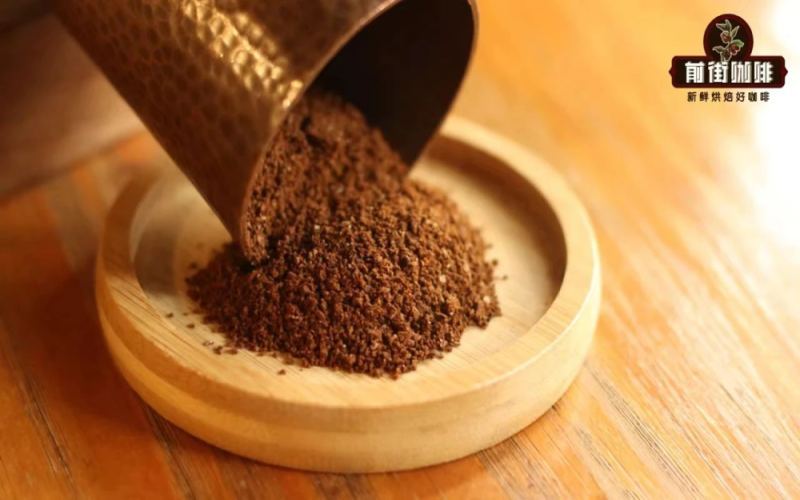
How do you determine the grind size for pour-over coffee? Can coffee grounds be brewed directly?
In the process of making pour-over coffee, water temperature, grind size, and coffee-to-water ratio are the three key variables that affect the final flavor. Among them, grind size directly determines the particle size and uniformity of the coffee grounds, which in turn affects the efficiency with which water extracts flavor compounds as it passes through the coffee bed. So, when faced with coffee beans of different characteristics, how do we find the most suitable grind setting? And when the grind is too fine or too coarse, what typical signs show up during brewing? In this article, Front Street Coffee will systematically explain the mechanism by which grind size affects extraction, and introduce a method that uses a standard sieve to accurately determine whether the grind is appropriate, helping you adjust grind parameters on a more informed basis in your daily brewing. [more…]
Coffee Grind Size Comparison Guide: A Detailed Explanation of EK43s Grind Setting Particle Sizes and Sieve Pass-Through Rates
Grind size is the key variable that determines the direction of coffee flavor, but how coarse counts as coarse and how fine counts as fine has always lacked a unified standard. This article uses the industry-recognized cupping grind as a baseline, and with the help of the passing rate through a No. 20 standard sieve, quantifies the grind requirements for French press, pour-over, cold brew, ice drip, and even espresso machines one by one, and also includes reference settings for the EK43s grinder. The article also specifically reminds readers that differences in coffee bean density and roast level will cause the same setting to produce different particle sizes, and finally provides Front Street Coffee's espresso extraction plan as a debugging example to help enthusiasts turn grinding from an empirical judgment into a reproducible data-driven operation. [more…]